Music Therapy
Music psychotherapy is a way of using music to express yourself, support your wellbeing, and reach your personal goals.
You do not need to be a musician or have any musical talent to take part. This is not a music lesson; it is a safe space where a trained professional uses music to support your health and well-being.
Through activities like improvisation, songwriting, and listening, it offers a creative outlet for self-expression, communication and developing practical coping strategies.
- Listen to your favourite songs and talk about memories.
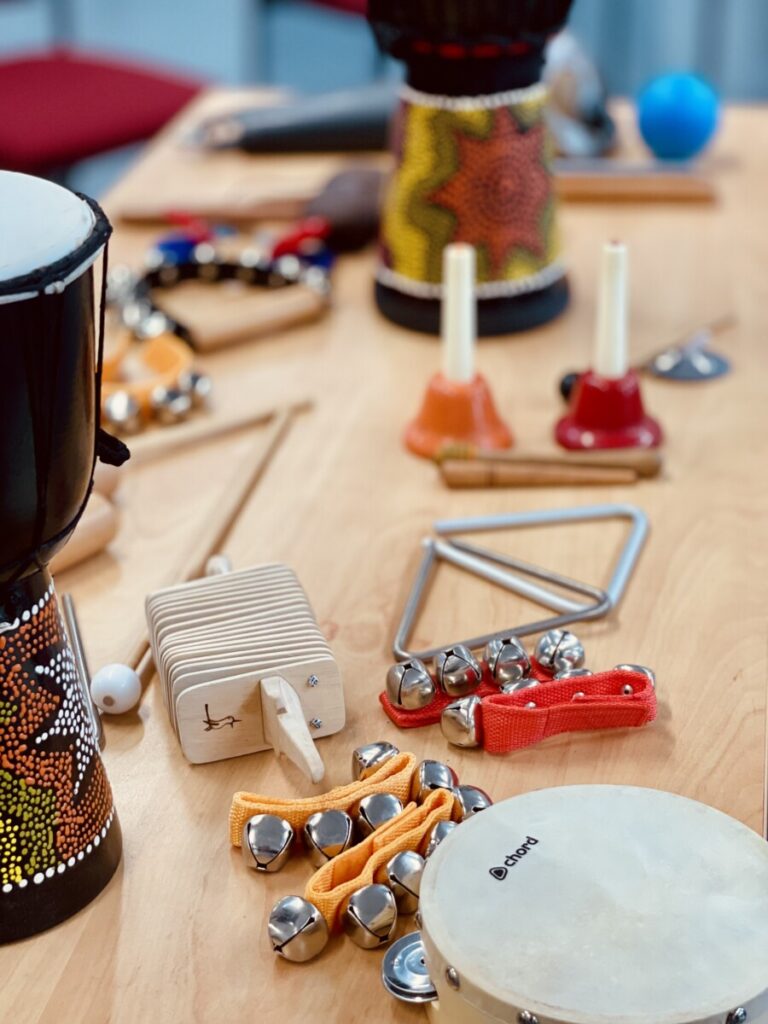
- Play simple instruments like drums or keyboards.
- Write short songs or change the lyrics of existing ones to express how you feel.
Every session is built around what you need and feel comfortable with on that day.
Sessions are usually weekly and last 50 minutes.
You do not need to be a musician or play an instrument to take part, just a willingness to explore sound and music. Sessions are a space to explore and express yourself without being constrained by how things “should” sound.
Session are offered by a Music Therapist who is registered with the Health & Care Professionals Council (HCPC)